

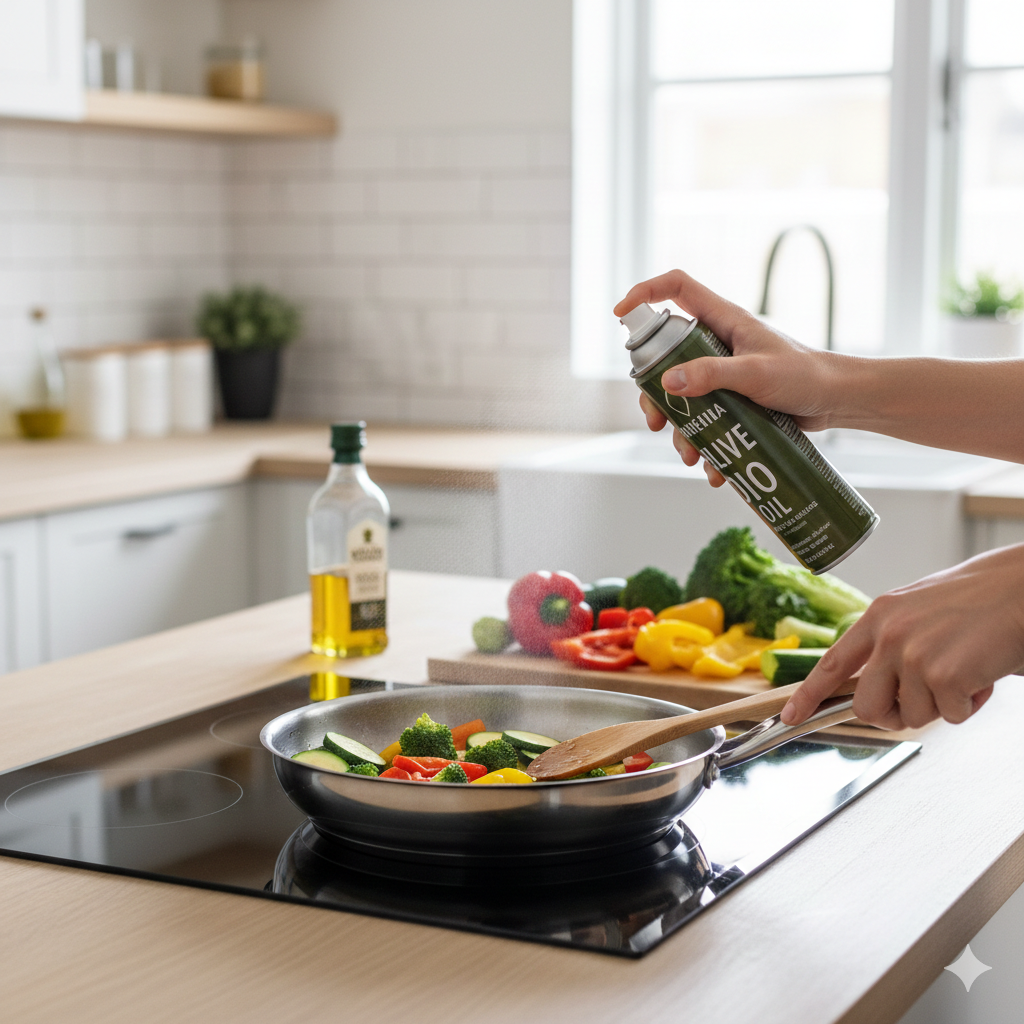
Cooking with less oil is one of the simplest yet most effective ways to improve your daily diet. Excess oil adds unnecessary calories and fat to meals, even when the ingredients themselves are healthy. However, many people worry that reducing oil will lead to dry, bland, or unappetizing food. The good news is that when done correctly, cooking with less oil can actually enhance natural flavors and improve the overall quality of your meals.
In this complete guide, you’ll learn how to cook with less oil the right way. From choosing the right cookware and cooking techniques to using flavorful alternatives, this article will help you create healthier meals without compromising taste, texture, or satisfaction.
Why Reducing Oil Matters for Your Health
Oil is calorie-dense. Just one tablespoon of oil contains around 120 calories, and those calories can add up quickly—especially if oil is poured freely while cooking. Consistently using too much oil may contribute to weight gain, heart disease, and digestive discomfort.
Cooking with less oil can help:
-
Lower overall calorie intake
-
Reduce saturated and trans fats
-
Support heart health
-
Improve digestion
-
Promote better weight management
Reducing oil doesn’t mean eliminating it entirely. The goal is to use oil intentionally and efficiently.
Understanding Oils: Not All Are Created Equal
Choose Healthier Oils
If you are using oil, make sure it’s the right kind. Healthier options include:
-
Extra virgin olive oil
-
Avocado oil
-
Canola oil (in moderation)
-
Sesame oil (used sparingly for flavor)
Avoid or limit:
-
Butter and margarine
-
Shortening
-
Palm oil
-
Refined vegetable oils
Healthier oils provide beneficial fats, but portion control is still essential.
Know Smoke Points
Cooking oil beyond its smoke point can destroy nutrients and create harmful compounds. When cooking with less oil, matching the oil to the cooking method matters even more.
-
Low heat: olive oil
-
Medium heat: avocado or canola oil
-
High heat: minimal oil or oil-free methods
Using the right oil prevents burning and improves flavor.
The Right Cookware Makes a Huge Difference
Use Non-Stick or Well-Seasoned Pans
One of the easiest ways to reduce oil is to upgrade your cookware. High-quality non-stick pans or well-seasoned cast iron skillets prevent food from sticking, reducing the need for excess oil.
Benefits include:
-
Even heat distribution
-
Less sticking
-
Easier cleanup
-
Better control over oil usage
Avoid damaged non-stick pans, as they may require more oil and compromise safety.
Preheat Your Pan Properly
A common mistake is adding oil to a cold pan. When the pan isn’t hot enough, food sticks and absorbs more oil.
Best practice:
-
Heat the pan first
-
Add a small amount of oil afterward
-
Swirl or brush lightly
This creates a protective surface with minimal oil.
Smart Techniques to Cook with Less Oil
Measure, Don’t Pour
Free-pouring oil is one of the biggest reasons people use too much.
Instead:
-
Use measuring spoons
-
Use an oil spray or mister
-
Dip a brush or paper towel in oil
These methods ensure you’re using only what’s necessary.
Sauté with Liquid Alternatives
You can sauté vegetables, meats, and tofu with little to no oil by using:
-
Water
-
Vegetable or chicken broth
-
Lemon juice
-
Vinegar
Add small amounts of liquid as needed to prevent sticking. This method works especially well for vegetables and plant-based dishes.
Roast and Bake Instead of Fry
Roasting and baking require far less oil than pan-frying or deep-frying.
Tips for oil-light roasting:
-
Toss food lightly with a measured teaspoon of oil
-
Use parchment paper or silicone baking mats
-
Roast at higher temperatures for crispness
You’ll still get golden, flavorful results without excess fat.
Flavor Without Oil: The Secret to Great Taste
Use Herbs and Spices Generously
Flavor doesn’t come from oil—it comes from seasoning.
Try:
-
Garlic, onion, ginger
-
Paprika, cumin, turmeric, chili flakes
-
Thyme, rosemary, oregano, basil
-
Black pepper, coriander, cinnamon
Spices add depth, aroma, and complexity without calories.
Add Acid for Brightness
Acid enhances flavor and compensates for reduced fat.
Use:
-
Lemon or lime juice
-
Apple cider vinegar
-
Balsamic vinegar
-
Rice vinegar
Adding acid at the end of cooking brings dishes to life.
Build Flavor in Layers
Instead of relying on oil, build flavor step by step:
-
Start with aromatics
-
Add spices early
-
Finish with herbs or citrus
Layered flavor makes food satisfying even with minimal fat.
Healthier Cooking Methods That Use Less Oil
Steaming
Steaming preserves nutrients and requires no oil. It’s perfect for:
-
Vegetables
-
Fish
-
Dumplings
Enhance flavor with herbs, spices, or sauces added afterward.
Grilling
Grilling allows fat to drip away while creating smoky flavor.
Tips:
-
Use marinades with minimal oil
-
Clean and preheat the grill
-
Use foil or grill baskets if needed
Grilling is excellent for lean meats and vegetables.
Air Frying
Air fryers use hot air instead of oil to create crisp textures.
Benefits:
-
Up to 80% less oil
-
Crunchy results
-
Fast cooking time
Air frying is ideal for healthier versions of fried foods.
Cooking Proteins with Less Oil
Lean Meats
For chicken, turkey, or fish:
-
Pat dry before cooking
-
Season well
-
Use high heat briefly
This reduces sticking and oil absorption.
Plant-Based Proteins
Beans, lentils, and tofu cook well with minimal oil.
Tips:
-
Use parchment paper when baking tofu
-
Pan-sear tofu in a non-stick pan
-
Add sauces after cooking
Plant proteins absorb flavor easily without fat.
Common Mistakes When Cooking with Less Oil
Avoid these pitfalls:
-
Using too high heat without liquid
-
Not preheating pans
-
Under-seasoning food
-
Overcrowding the pan
-
Relying on oil for flavor
Correcting these habits makes low-oil cooking enjoyable.
How to Transition Gradually
If you’re used to cooking with a lot of oil, start slowly.
Try:
-
Reducing oil by half
-
Switching to sprays or brushes
-
Choosing one oil-free meal per day
Your taste buds will adapt, and you’ll begin to appreciate natural flavors more.
Long-Term Benefits of Cooking with Less Oil
Over time, cooking with less oil can lead to:
-
Improved energy levels
-
Better weight control
-
Reduced cholesterol
-
Improved heart health
-
Greater appreciation for real food flavors
Healthy cooking becomes effortless once it becomes habit.
Conclusion
Learning how to cook with less oil the right way is a skill that pays off for life. By using the right cookware, choosing smarter cooking methods, and relying on herbs, spices, and techniques instead of excess fat, you can create meals that are both healthy and delicious.
Cooking with less oil doesn’t mean giving up flavor—it means cooking smarter. With practice, you’ll find that lighter meals are just as satisfying, if not more so, than oil-heavy dishes. Every small change you make in the kitchen brings you closer to a healthier, more balanced lifestyle.