

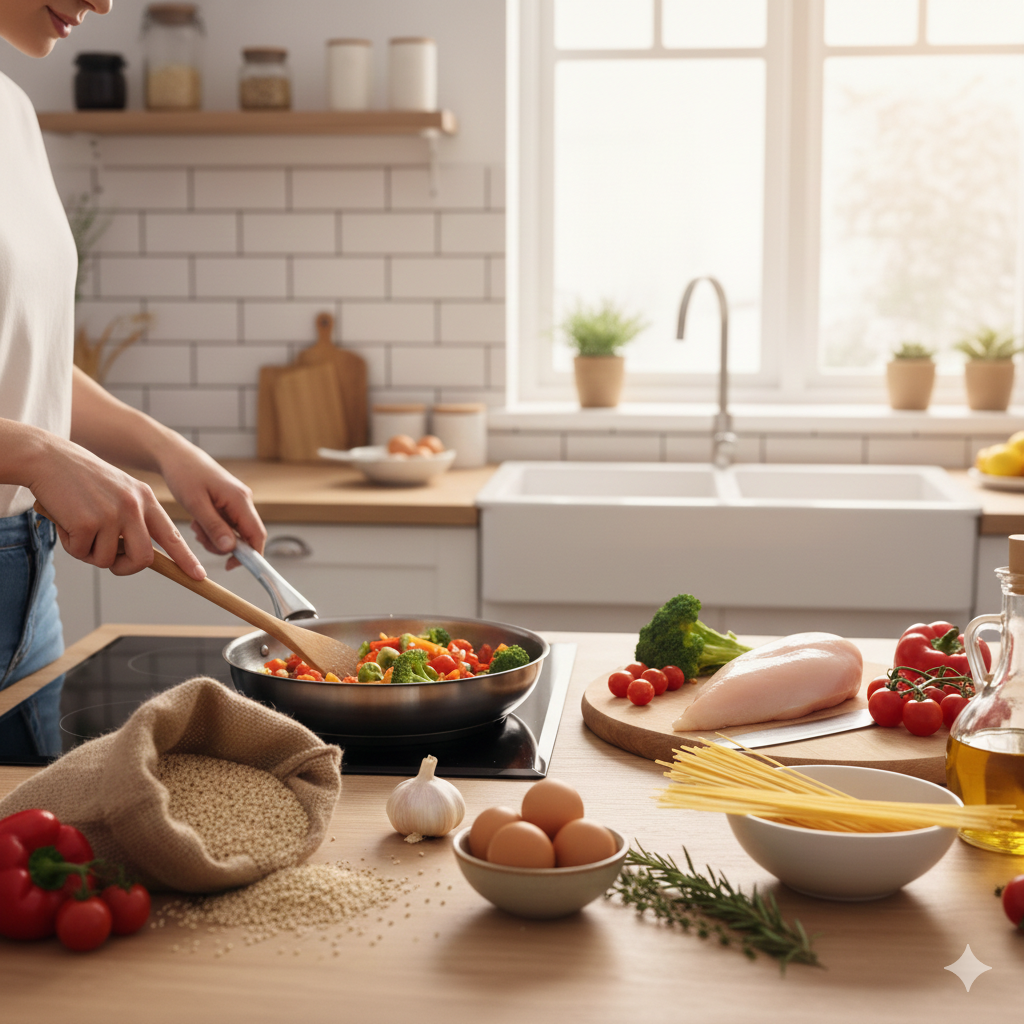
Cooking at home is one of the most powerful habits you can build for a healthier lifestyle. When you prepare meals yourself, you control the ingredients, portion sizes, and cooking methods—something that’s often impossible with restaurant or packaged foods. Yet, many people assume that healthy cooking is complicated, time-consuming, or bland. The truth is, healthier home-cooked food can be simple, affordable, flavorful, and deeply satisfying.
In this comprehensive guide, you’ll learn practical cooking tips for healthier home-cooked food that fit into everyday life. From choosing nutritious ingredients and reducing unhealthy fats to mastering cooking techniques that preserve flavor and nutrients, this article will help you transform your kitchen into a foundation for better health.
Why Home-Cooked Food Is Healthier
Before diving into specific tips, it’s important to understand why home cooking matters so much.
Restaurant and processed foods often contain excess calories, unhealthy fats, added sugars, and sodium. Even meals marketed as “healthy” can be loaded with hidden ingredients that work against your goals. Home cooking allows you to:
-
Control portion sizes
-
Reduce added sugars and salt
-
Choose healthier fats
-
Avoid preservatives and additives
-
Customize meals for dietary needs
Regularly cooking at home is linked to better weight management, improved heart health, and stronger long-term eating habits.
Start with Better Ingredients
1. Choose Whole, Minimally Processed Foods
The foundation of healthy home cooking is ingredient quality. Focus on foods that are as close to their natural state as possible:
-
Fresh vegetables and fruits
-
Whole grains like brown rice, quinoa, and oats
-
Lean proteins such as chicken breast, fish, eggs, beans, and tofu
-
Healthy fats like olive oil, nuts, seeds, and avocado
The fewer ingredients on the label, the better. Whole foods are richer in nutrients and naturally lower in unhealthy additives.
2. Upgrade Your Protein Choices
Protein is essential for muscle health, energy, and satiety. For healthier meals:
-
Choose skinless poultry instead of fried or processed meats
-
Include fatty fish like salmon or sardines for omega-3s
-
Use plant-based proteins such as lentils, chickpeas, and beans
-
Limit processed meats like sausages and bacon
Balancing animal and plant proteins improves overall nutrition while keeping meals interesting.
3. Don’t Fear Healthy Fats
Not all fats are bad. In fact, healthy fats enhance flavor and help your body absorb nutrients.
Use:
-
Extra virgin olive oil for sautéing and dressings
-
Nuts and seeds for texture and crunch
-
Avocado for creamy sauces and spreads
Limit butter, shortening, and refined vegetable oils to reduce saturated and trans fats.
Smarter Cooking Methods for Better Health
4. Cook with Less Oil—Without Losing Flavor
Using excessive oil can quickly turn a healthy meal into a high-calorie one. Try these techniques:
-
Use a non-stick pan to reduce oil needs
-
Measure oil instead of pouring freely
-
Use cooking sprays or brush oil lightly
-
Replace some oil with broth, water, or lemon juice
You’ll still get great flavor with far fewer calories.
5. Choose Healthier Cooking Techniques
How you cook matters just as much as what you cook.
Healthier cooking methods include:
-
Steaming
-
Baking
-
Grilling
-
Roasting
-
Poaching
-
Stir-frying with minimal oil
Avoid deep-frying and excessive pan-frying whenever possible. These methods add unnecessary fat and calories.
6. Preserve Nutrients While Cooking
Overcooking vegetables can destroy valuable vitamins and minerals. To keep nutrients intact:
-
Steam or sauté vegetables briefly
-
Roast at moderate temperatures
-
Cut vegetables just before cooking
-
Use minimal water when boiling
Bright colors and slight crunch usually indicate better nutrient retention.
Reduce Sugar and Salt the Smart Way
7. Cut Back on Added Sugar Naturally
Many home cooks unknowingly add sugar through sauces, dressings, and marinades.
Healthier alternatives include:
-
Using fruit for natural sweetness
-
Choosing unsweetened versions of sauces
-
Adding cinnamon or vanilla instead of sugar
-
Reading labels carefully
Your taste buds will adjust over time, and you’ll enjoy food’s natural flavors more.
8. Flavor Food Without Excess Salt
Salt enhances flavor, but too much can harm heart health.
Instead of relying on salt:
-
Use herbs like basil, thyme, rosemary, and cilantro
-
Add spices such as cumin, paprika, turmeric, and pepper
-
Use garlic, onion, ginger, and citrus zest
-
Finish dishes with lemon or vinegar for brightness
Layering flavors creates delicious meals with less sodium.
Build Balanced, Healthy Plates
9. Follow the Balanced Plate Method
A simple way to improve home-cooked meals is by visual balance:
-
Half your plate: vegetables and fruits
-
One-quarter: lean protein
-
One-quarter: whole grains
-
A small amount of healthy fat
This method ensures balanced nutrition without complicated counting.
10. Watch Portion Sizes
Even healthy foods can lead to weight gain if portions are too large.
Helpful tips:
-
Use smaller plates
-
Serve food in the kitchen, not at the table
-
Eat slowly and mindfully
-
Stop eating when satisfied, not stuffed
Portion control supports long-term health without restriction.
Meal Planning Makes Healthy Cooking Easier
11. Plan Ahead for Success
One of the biggest barriers to healthy cooking is lack of time. Meal planning solves this problem.
Try:
-
Planning meals for the week
-
Prepping ingredients in advance
-
Cooking larger batches for leftovers
-
Keeping healthy staples stocked
When healthy options are ready, you’re less likely to reach for takeout.
12. Keep Healthy Pantry Staples
A well-stocked kitchen makes healthy cooking effortless.
Include:
-
Canned beans and lentils
-
Whole grains
-
Spices and herbs
-
Low-sodium broths
-
Frozen vegetables
These items allow you to create nutritious meals quickly, even on busy days.
Make Healthy Cooking Enjoyable
13. Experiment with Flavors and Cuisines
Healthy cooking doesn’t have to be boring. Explore different cuisines that naturally emphasize whole foods, such as Mediterranean, Asian, or plant-based dishes.
Trying new spices, sauces, and cooking styles keeps meals exciting and sustainable.
14. Involve the Whole Family
Cooking together encourages healthier eating habits, especially for children.
-
Let kids help with simple tasks
-
Teach basic cooking skills
-
Encourage tasting new foods
When people participate in cooking, they’re more likely to enjoy and appreciate healthier meals.
Common Healthy Cooking Mistakes to Avoid
Even with good intentions, some habits can undermine healthy cooking:
-
Relying too much on “diet” processed foods
-
Overusing healthy oils
-
Skipping vegetables
-
Ignoring portion sizes
-
Cooking everything the same way
Awareness helps you adjust and improve over time.
Healthy Cooking Is a Long-Term Habit
Healthy home-cooked food isn’t about perfection. It’s about consistency and making better choices most of the time.
Start small:
-
Swap one ingredient
-
Try one new cooking method
-
Add one extra vegetable
Over time, these small changes add up to major health benefits.
Conclusion
Cooking tips for healthier home-cooked food are not about restriction or sacrificing taste. They’re about making smarter choices, using better ingredients, and applying cooking methods that enhance both flavor and nutrition. By cooking more meals at home, you take control of your health in a way that’s empowering, enjoyable, and sustainable.
With the tips in this guide, you can confidently create meals that nourish your body, satisfy your taste buds, and fit seamlessly into your daily routine. Healthy cooking starts in your kitchen—and every meal is an opportunity to build better habits for life.