

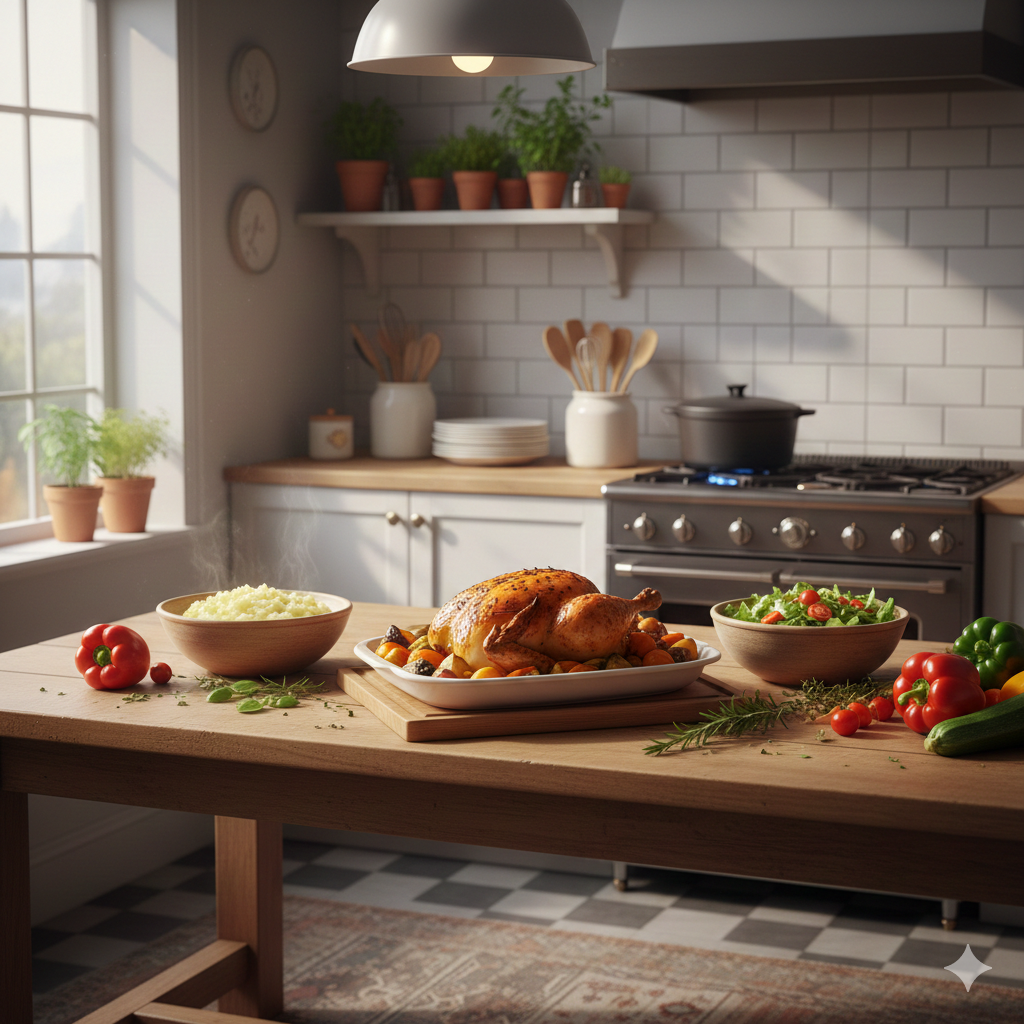
Home-cooked meals are one of the best ways to enjoy healthier, more satisfying food. Cooking at home gives you control over ingredients, flavors, and portion sizes, yet many people feel their meals taste ordinary or inconsistent. The good news is that improving your home-cooked meals doesn’t require professional training or expensive ingredients—just a better understanding of basic cooking principles.
In this complete guide, you’ll learn essential cooking tips to improve your home-cooked meals. From flavor-building techniques and ingredient selection to timing, seasoning, and presentation, these tips will help you transform everyday dishes into meals you genuinely enjoy eating.
Why Home-Cooked Meals Matter
Cooking at home is about more than convenience—it’s about quality, health, and connection.
Benefits of Better Home Cooking
-
Improved flavor and freshness
-
Better nutrition and fewer additives
-
More control over portions
-
Cost savings
-
Increased confidence in the kitchen
Improving your cooking skills makes home meals something to look forward to, not a chore.
Tip #1: Start with Quality Ingredients
Great meals begin with good ingredients. You don’t need gourmet products, but freshness and quality make a noticeable difference.
Ingredient Tips
-
Choose seasonal vegetables
-
Use fresh herbs when possible
-
Buy whole ingredients instead of pre-processed foods
-
Select good-quality oils and spices
Simple ingredients prepared well often taste better than complex recipes made with poor-quality items.
Tip #2: Learn to Season Properly
Seasoning is one of the most important cooking skills and one of the most common weaknesses in home cooking.
How to Improve Seasoning
-
Season in layers, not just at the end
-
Taste food as you cook
-
Use salt to enhance natural flavors, not overpower them
-
Balance salt with acid, fat, and heat
Proper seasoning turns bland meals into satisfying ones.
Tip #3: Don’t Be Afraid of Heat
Using the right heat level dramatically improves texture and flavor.
Heat Control Tips
-
Preheat pans before adding ingredients
-
Use high heat for roasting and searing
-
Lower heat for simmering and sauces
Proper heat helps food brown, caramelize, and develop deeper flavor.
Tip #4: Master a Few Core Cooking Techniques
You don’t need dozens of techniques—just a few reliable ones.
Essential Techniques to Learn
-
Sautéing
-
Roasting
-
Boiling and simmering
-
Steaming
-
Pan-searing
Mastering these techniques allows you to cook a wide variety of meals confidently.
Tip #5: Use Fat the Right Way
Fat adds flavor and richness, but balance is key.
Smart Fat Usage
-
Choose healthy fats like olive oil
-
Measure instead of pouring freely
-
Use fat to carry flavor, not dominate it
Using fat wisely improves taste without making meals heavy.
Tip #6: Build Flavor with Aromatics
Aromatics form the foundation of many delicious dishes.
Common Aromatics
-
Onion
-
Garlic
-
Ginger
-
Celery
-
Herbs
Sautéing aromatics at the beginning of cooking adds depth and complexity.
Tip #7: Understand Timing and Texture
Adding ingredients at the right time prevents overcooking or undercooking.
Timing Tips
-
Add delicate ingredients later
-
Cook tougher vegetables longer
-
Let meat rest after cooking
Paying attention to timing improves texture and overall quality.
Tip #8: Taste as You Cook
One of the simplest ways to improve your meals is tasting them during cooking.
Why Tasting Matters
-
Allows you to adjust seasoning
-
Helps balance flavors
-
Prevents over-salting or bland results
Frequent tasting leads to more consistent outcomes.
Tip #9: Use Acid to Brighten Flavors
A small amount of acid can dramatically improve a dish.
Common Acid Sources
-
Lemon or lime juice
-
Vinegar
-
Tomatoes
Adding acid at the end of cooking brings balance and freshness.
Tip #10: Don’t Overcrowd the Pan
Overcrowding causes food to steam instead of brown.
How to Avoid This
-
Cook in batches if needed
-
Use larger pans
-
Leave space between ingredients
Proper spacing improves texture and flavor.
Tip #11: Simplify Your Recipes
Complex recipes aren’t always better.
Simplification Tips
-
Focus on 5–7 core ingredients
-
Let ingredients shine
-
Avoid unnecessary steps
Simple recipes are easier to repeat and refine.
Tip #12: Pay Attention to Presentation
Presentation affects how food is perceived and enjoyed.
Easy Presentation Tips
-
Use clean plates
-
Add a fresh garnish
-
Serve appropriate portion sizes
Small visual improvements make meals feel more special.
Tip #13: Learn from Mistakes
Mistakes are part of the learning process.
How to Improve Over Time
-
Note what worked and what didn’t
-
Adjust seasoning and timing
-
Practice regularly
Every meal teaches you something.
Tip #14: Plan Meals Ahead of Time
Planning helps reduce stress and improve consistency.
Meal Planning Benefits
-
Fewer last-minute decisions
-
Better ingredient use
-
Healthier choices
Even basic planning improves results.
Tip #15: Keep Your Kitchen Organized
An organized kitchen supports better cooking.
Organization Tips
-
Keep tools accessible
-
Label pantry items
-
Clean as you go
Efficiency leads to better focus and enjoyment.
Tip #16: Cook with Confidence, Not Fear
Confidence grows with practice.
Confidence-Building Tips
-
Trust your taste
-
Experiment gradually
-
Don’t aim for perfection
Relaxed cooking often produces better results.
Tip #17: Focus on Balance in Every Meal
Balanced meals are more satisfying.
Balanced Plate Guide
-
Vegetables for volume and nutrients
-
Protein for satiety
-
Carbohydrates for energy
-
Fat for flavor
Balance improves both taste and nutrition.
Tip #18: Make Cooking Enjoyable
Enjoyment is essential for long-term improvement.
Ways to Enjoy Cooking More
-
Play music
-
Cook with others
-
Try new ingredients occasionally
When cooking is enjoyable, skills improve naturally.
Benefits of Improving Your Home-Cooked Meals
By applying these cooking tips, you’ll notice:
-
Better flavor and texture
-
More confidence in the kitchen
-
Less reliance on takeout
-
Improved health and satisfaction
Small improvements add up over time.
Final Thoughts on Cooking Tips to Improve Your Home-Cooked Meals
Improving your home-cooked meals doesn’t require complicated recipes or professional skills. By focusing on ingredient quality, proper seasoning, heat control, and simple techniques, you can elevate everyday cooking into something truly enjoyable.
These cooking tips to improve your home-cooked meals are about building habits, not chasing perfection. With consistent practice and a willingness to learn, your meals will become more flavorful, balanced, and satisfying—making home cooking a rewarding part of daily life.