
Good digestion is essential for overall health, energy, and well-being. While food choices matter, how food is prepared is just as important. Certain cooking techniques make foods easier to digest, improve nutrient absorption, and reduce common digestive issues such as bloating, gas, and discomfort.
In this article, we’ll explore healthy cooking techniques that support better digestion, explain why they work, and provide practical tips you can use every day to make meals more gut-friendly without sacrificing taste or satisfaction.
Why Cooking Techniques Affect Digestion
Cooking changes the structure of food. Heat, moisture, and time can break down fibers, soften proteins, and reduce compounds that are difficult to digest.
How Cooking Improves Digestibility
-
Softens tough fibers in vegetables
-
Breaks down proteins for easier absorption
-
Reduces anti-nutrients in grains and legumes
-
Enhances nutrient availability
Choosing the right cooking method can make a noticeable difference in how your body responds to meals.
Steaming: One of the Best Techniques for Digestion
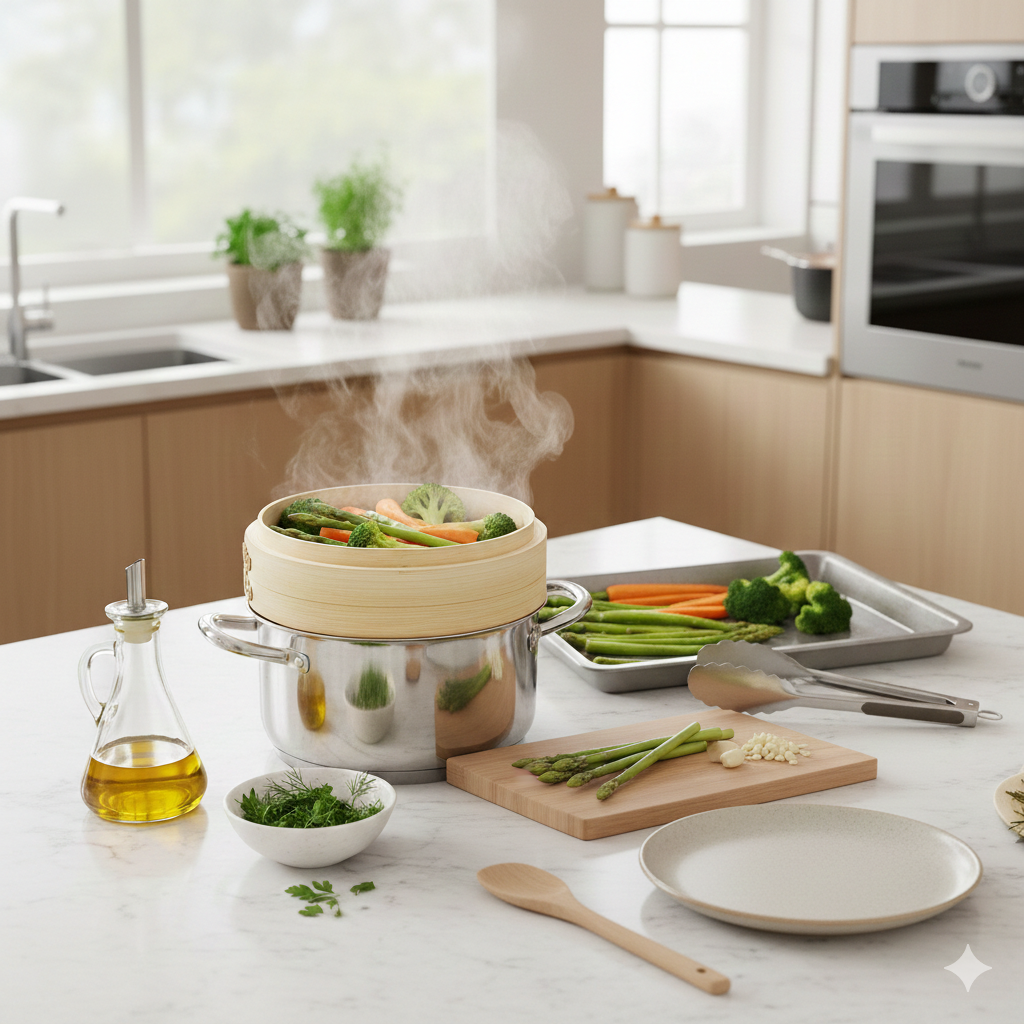
Steaming is one of the gentlest cooking methods.
Why Steaming Supports Digestion
-
Preserves nutrients
-
Softens fiber without overcooking
-
Requires no added fat
-
Reduces irritation for sensitive stomachs
Steamed vegetables, fish, and dumplings are often easier to digest than fried or heavily roasted foods.
Simmering and Slow Cooking for Comfort
Simmering and slow cooking break food down gradually.
Benefits of Simmering
-
Makes meats tender
-
Softens legumes and grains
-
Enhances flavor without heavy fats
Soups, stews, and broths are excellent for digestion, especially during recovery or stress.
Roasting with Care
Roasting can support digestion when done correctly.
Digestion-Friendly Roasting Tips
-
Use moderate temperatures
-
Avoid charring or burning
-
Roast vegetables until tender, not crispy
-
Use healthy oils sparingly
Overly browned or burnt foods may irritate the digestive system.
Sautéing Lightly for Easy Digestion
Sautéing can be digestion-friendly when done with minimal fat.
Smart Sautéing Tips
-
Use gentle heat
-
Avoid deep frying
-
Cook food until just tender
-
Choose oils with high smoke points
Light sautéing adds flavor without overwhelming the digestive system.
Cooking Vegetables for Better Digestive Health
Raw vegetables can be difficult for some people to digest.
Best Cooking Methods for Vegetables
-
Steaming leafy greens
-
Roasting root vegetables
-
Sautéing zucchini, carrots, and squash
Cooking vegetables breaks down fiber and makes nutrients easier to absorb.
Cooking Grains and Legumes Properly
Grains and legumes can cause digestive discomfort if not prepared correctly.
Digestion-Friendly Grain Preparation
-
Rinse grains thoroughly
-
Use proper water ratios
-
Cook until fully soft
Tips for Legumes
-
Soak dried beans before cooking
-
Cook thoroughly
-
Use pressure cooking to reduce cooking time
Proper preparation reduces gas and bloating.
Choosing Gentle Proteins
Protein digestion varies based on cooking method.
Best Protein Cooking Techniques
-
Poaching fish or chicken
-
Steaming seafood
-
Slow cooking tougher cuts
Avoid overcooking, which makes proteins harder to digest.
Using Herbs and Spices That Support Digestion
Certain herbs and spices improve digestion naturally.
Digestion-Friendly Herbs and Spices
-
Ginger
-
Turmeric
-
Fennel
-
Cumin
-
Coriander
Adding these during cooking enhances both flavor and digestive comfort.
Reduce Digestive Stress with Healthy Fats
Fat is essential but should be used wisely.
Tips for Using Fats
-
Choose olive oil and avocado oil
-
Use small amounts
-
Avoid deep-fried foods
Heavy, greasy foods can slow digestion and cause discomfort.
Avoid Cooking Methods That Disrupt Digestion
Some cooking methods can irritate the digestive system.
Methods to Limit
-
Deep frying
-
Excessive grilling or charring
-
Heavy breading and battering
These methods may increase inflammation or cause bloating.
Temperature Matters for Digestion
Extremely hot or cold foods can strain digestion.
Best Practices
-
Eat warm, cooked meals
-
Avoid ice-cold foods with meals
-
Let food cool slightly before eating
Warm foods are generally easier on the digestive system.
Practice Mindful Cooking and Eating
Digestion begins before you take the first bite.
Mindful Cooking Tips
-
Cook in a calm environment
-
Eat slowly and chew thoroughly
-
Avoid distractions during meals
Mindfulness improves digestion and nutrient absorption.
Balance Meals for Digestive Ease
Balanced meals support steady digestion.
Digestion-Friendly Meal Balance
-
Cooked vegetables
-
Moderate protein
-
Easily digestible carbohydrates
-
Small amounts of healthy fats
Balanced meals prevent digestive overload.
Adjust Cooking Techniques for Sensitive Digestion
Everyone’s digestion is different.
Customization Tips
-
Experiment with cooking times
-
Choose softer textures
-
Reduce spice heat if needed
-
Pay attention to personal triggers
Listening to your body helps refine your cooking approach.
Build Digestive-Friendly Cooking Habits
Consistency matters.
Long-Term Habits
-
Cook more meals at home
-
Choose gentle techniques regularly
-
Avoid rushed meals
-
Keep ingredients simple
Over time, these habits improve digestive comfort.
Final Thoughts: Cooking for Better Digestion
Healthy cooking techniques for better digestion focus on gentleness, balance, and mindfulness. By choosing methods like steaming, simmering, and light sautéing, you can make meals easier to digest while still enjoying satisfying flavors.
When you cook with digestion in mind, food becomes nourishment rather than discomfort. Small changes in how you cook can lead to big improvements in how you feel—meal after meal.