
Many people believe that healthy, balanced meals require complicated recipes, specialty foods, or hours in the kitchen. In reality, balance comes from smart combinations of simple ingredients and consistent cooking habits. When you understand how to build meals using what you already have, healthy eating becomes easier, more affordable, and more sustainable.
This guide will show you how to prepare balanced meals using simple ingredients, explain what “balanced” really means, and provide practical strategies you can apply every day—whether you’re cooking for yourself or your family.
What Is a Balanced Meal?
A balanced meal provides your body with the nutrients it needs to function well, maintain energy, and support overall health.
Core Components of a Balanced Meal
-
Carbohydrates: Provide energy
-
Protein: Supports muscle, repair, and fullness
-
Healthy fats: Aid nutrient absorption and satisfaction
-
Vegetables and fruits: Supply vitamins, minerals, and fiber
You don’t need perfection—just a reasonable balance most of the time.
Why Simple Ingredients Work Best
Simple ingredients are often more versatile and affordable than processed or specialty foods.
Benefits of Cooking with Simple Ingredients
-
Easier to find and store
-
Lower cost
-
Fewer additives
-
Greater flexibility in meal preparation
When you rely on basics, you gain confidence and consistency.
Build Balanced Meals with a Simple Formula
Using a basic formula makes meal preparation fast and stress-free.
The Balanced Plate Formula
-
Half the plate: vegetables or fruit
-
One quarter: protein
-
One quarter: carbohydrates
-
Small amount: healthy fat
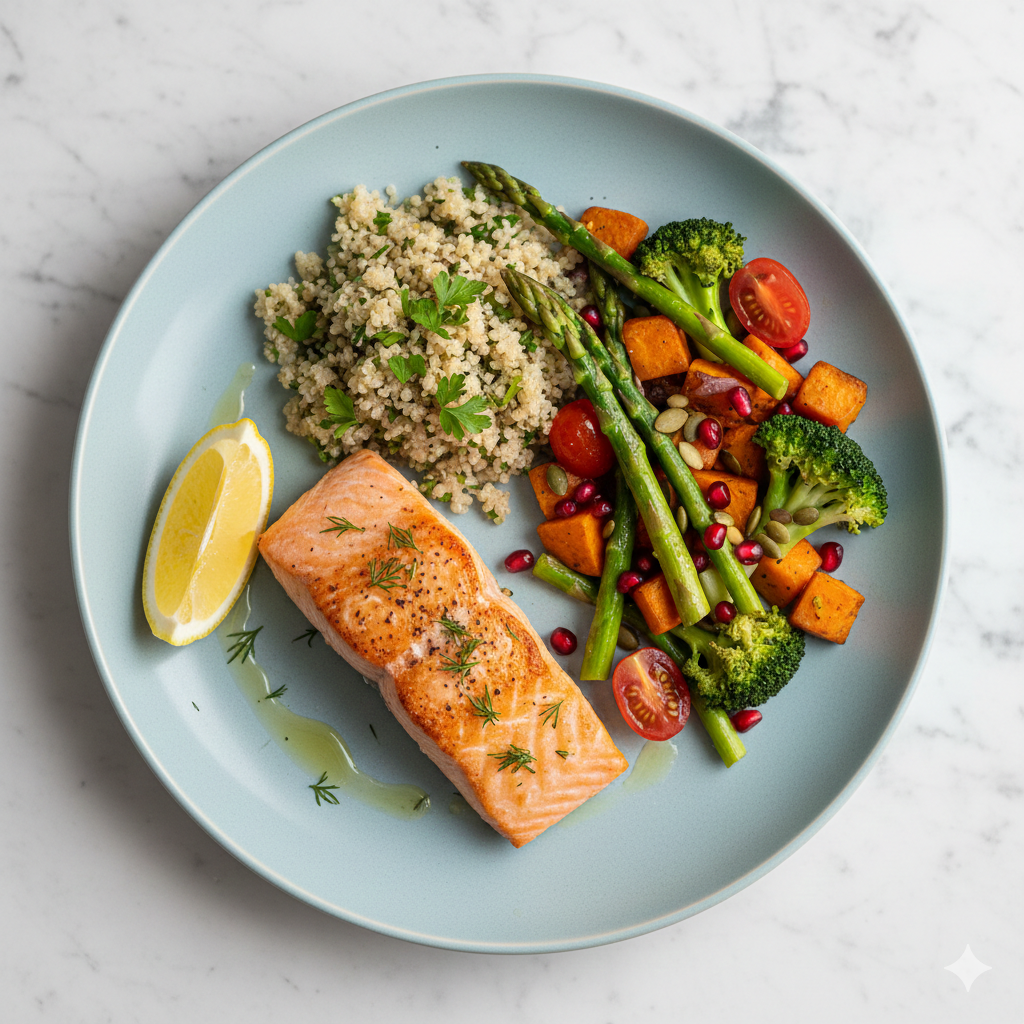
This visual guide helps you create balanced meals without counting calories.
Choosing Simple Carbohydrates Wisely
Carbohydrates are an important energy source.
Simple, Healthy Carb Options
-
Rice or brown rice
-
Potatoes or sweet potatoes
-
Oats
-
Whole-grain pasta or bread
Cooking carbs properly ensures better digestion and satisfaction.
Protein Sources Using Simple Ingredients
Protein doesn’t need to be expensive or complicated.
Easy Protein Options
-
Eggs
-
Beans and lentils
-
Tofu or tempeh
-
Chicken, fish, or lean meat
-
Yogurt or milk
Choose what fits your taste, budget, and dietary needs.
Vegetables: The Foundation of Balance
Vegetables provide fiber, vitamins, and volume.
Simple Ways to Use Vegetables
-
Roast mixed vegetables
-
Add vegetables to soups and stir-fries
-
Use frozen vegetables for convenience
-
Include vegetables in breakfast dishes
Aim for variety rather than perfection.
Healthy Fats in Small Amounts
Fats improve flavor and nutrient absorption.
Simple Healthy Fat Sources
-
Olive oil
-
Nuts and seeds
-
Avocado
-
Fatty fish
A little fat goes a long way in balanced meals.
Preparing Balanced Breakfasts with Simple Ingredients
Breakfast sets the tone for the day.
Easy Balanced Breakfast Ideas
-
Oats with nut butter and fruit
-
Eggs with vegetables and toast
-
Yogurt with seeds and fruit
Balanced breakfasts support energy and focus.
Simple Balanced Lunch Ideas
Lunch should be satisfying but not heavy.
Quick Lunch Combinations
-
Rice with beans and vegetables
-
Leftover protein with roasted vegetables
-
Soup with whole-grain bread
Leftovers are a powerful tool for balanced eating.
Balanced Dinner Using Everyday Foods
Dinner doesn’t need to be complex.
Simple Dinner Examples
-
Baked chicken, rice, and vegetables
-
Lentil stew with bread
-
Stir-fried vegetables with tofu and noodles
Stick to the balanced plate formula for consistency.
One-Pot and One-Pan Balanced Meals
These meals save time and effort.
Benefits
-
Less cleanup
-
Even cooking
-
Easy portion control
Soups, stews, and sheet-pan meals are excellent options.
Meal Prep with Simple Ingredients
Meal prep makes balanced eating easier.
Meal Prep Tips
-
Cook grains and proteins in bulk
-
Prep vegetables in advance
-
Store meals in portioned containers
Simple prep prevents unhealthy last-minute choices.
Eating Balanced Meals on a Budget
Balanced meals don’t have to be expensive.
Budget-Friendly Tips
-
Buy seasonal produce
-
Use dried or canned legumes
-
Cook at home more often
-
Reduce food waste
Simple ingredients stretch further when used wisely.
Adapting Balanced Meals to Your Lifestyle
Balance looks different for everyone.
Customize Based On:
-
Activity level
-
Dietary preferences
-
Cultural food choices
-
Time constraints
Flexibility keeps balanced eating realistic.
Avoid Common Balanced Meal Mistakes
Mistakes to Watch For
-
Skipping vegetables
-
Overloading on one food group
-
Relying heavily on processed foods
-
Ignoring portion sizes
Awareness helps you adjust without stress.
Make Balanced Cooking a Habit
Habits are more important than motivation.
Habit-Building Tips
-
Cook at home regularly
-
Rotate simple meals
-
Keep ingredients visible
-
Focus on progress
Consistency leads to long-term results.
Final Thoughts: Balanced Meals Made Simple
Preparing balanced meals using simple ingredients is not about strict rules or complicated planning. It’s about understanding basic nutrition, choosing accessible foods, and combining them thoughtfully.
When you rely on simple ingredients and a flexible structure, balanced meals become easy, affordable, and enjoyable. Start with what you have, build gradually, and remember that small, consistent choices create lasting health.